B-Business:
five apps stitched together,
rebuilt as one
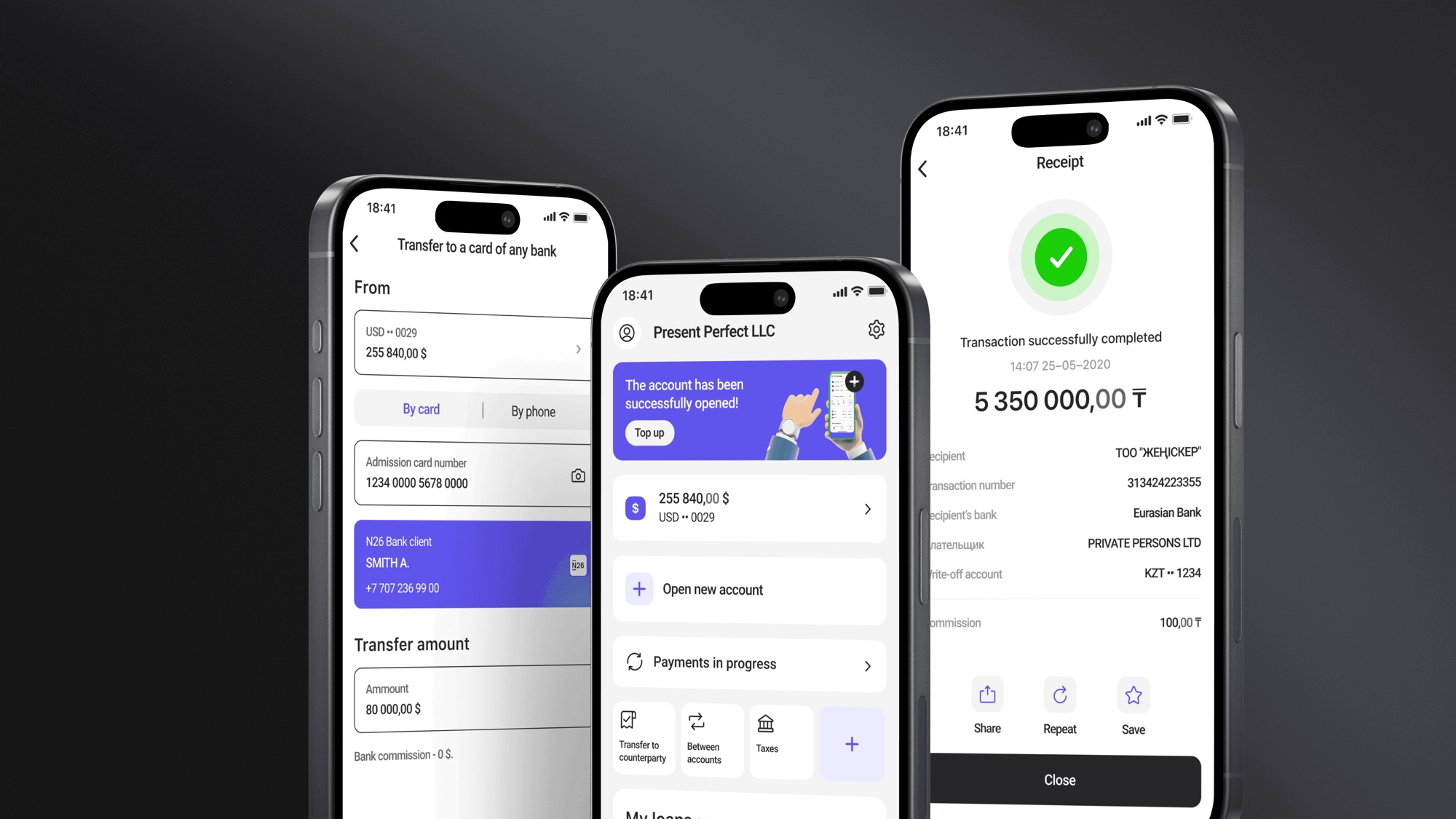
Bereke Bank's SME app scored 52 on SUS, well under the 68 industry baseline. Rebuilt around one shared system, it launched with the highest usability score in the Kazakh SME segment.
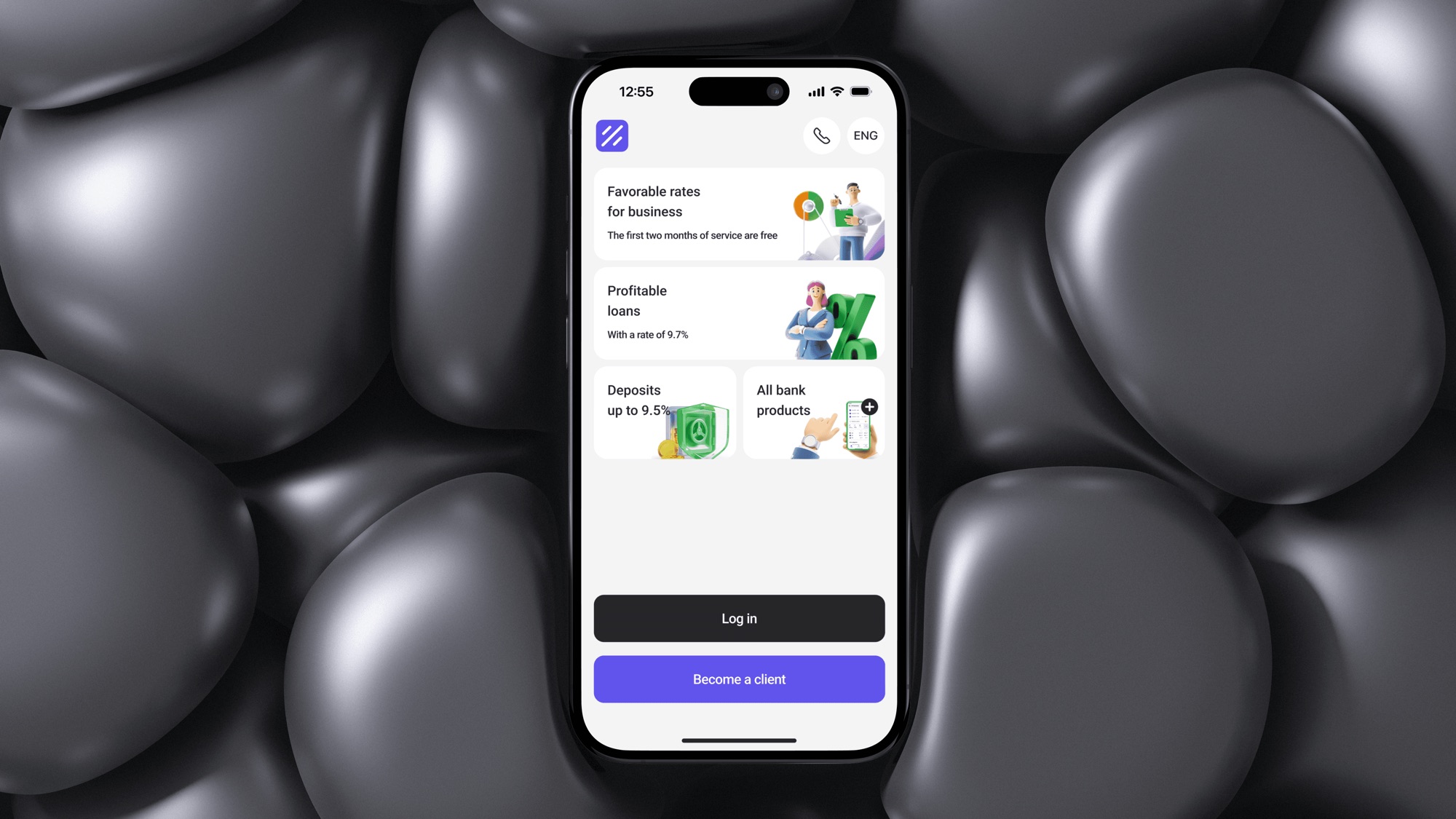
A system problem wearing a screens problem's clothes
The app had grown by accretion: every new product line arrived as its own flow, with its own patterns, language and visual treatment. Redesigning screen by screen would have produced a better-looking version of the same fragmentation. I rebuilt the spine underneath instead.
Read the complaint as architecture
The audit found 40+ inconsistency points across primary flows: the same action with different icons, the same state with different copy, the same data in different layouts.
Under 5 in the post-redesign auditBenchmarked outside the local market
Regional competitors carried the same legacy habits, so copying them would have copied the problem. I benchmarked SME banking across Europe and Southeast Asia instead.
Only patterns that had held up in usability testingOne system under four flows, not four repairs
Onboarding, payment initiation, account management and settings were rebuilt against a single shared component and language set — so the app is learned once, not per flow.
A shared spine the next feature can sit onValidated the score before release
Pre-launch usability testing with target SME users confirmed the SUS gain while changing it was still cheap. Shipping first and measuring after would have made the finding unactionable.
The lift was known before it reached production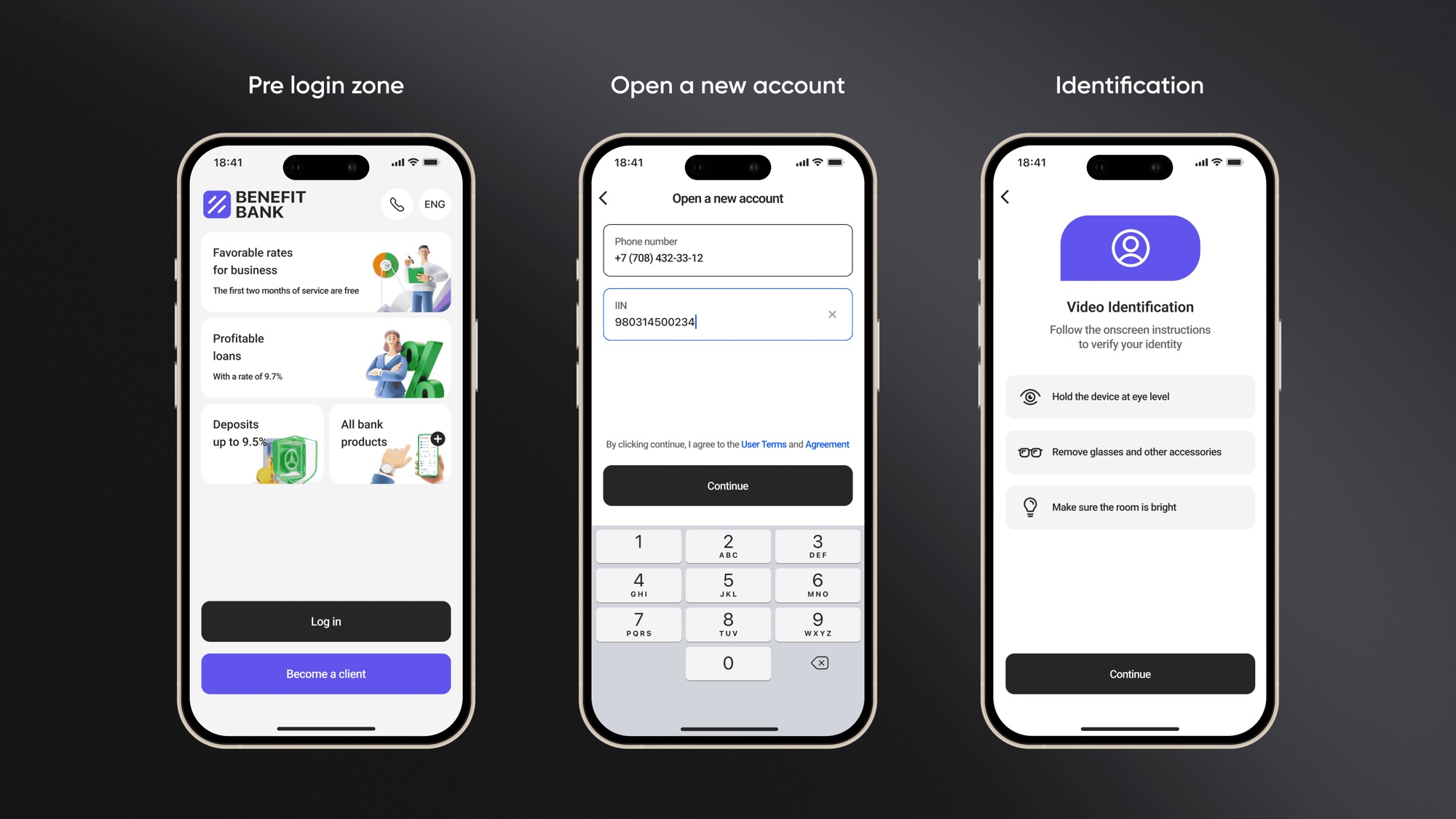
Below the baseline, and structurally so
B-Business was the SME-facing product of one of Kazakhstan's largest banks, and the usability data was blunt about it: a SUS score of 52 against a 68 industry baseline, with conversion on key flows under internal targets.
The brief was to lift conversion and clear that baseline. The real constraint was that the fragmentation ran two years of feature accretion deep — it could not be fixed one flow at a time.
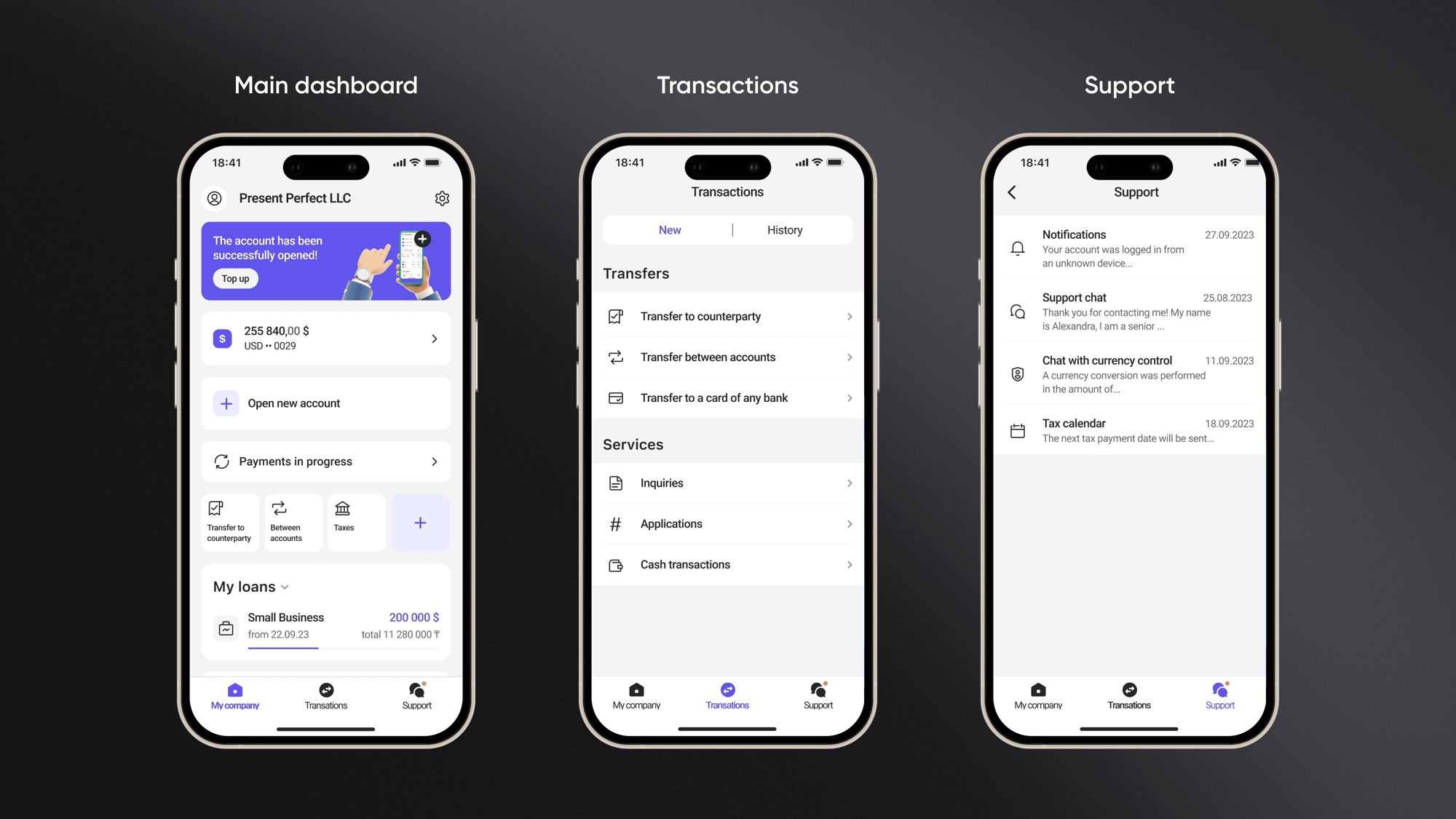
Where the numbers landed
- SUS 52 → 78 — a 26-point lift, from well below the 68 baseline to well above it
- +24% conversion on primary flows
- 40+ → under 5 inconsistency points in the post-redesign audit
- Faster engineering handoff, on the back of one unified component system
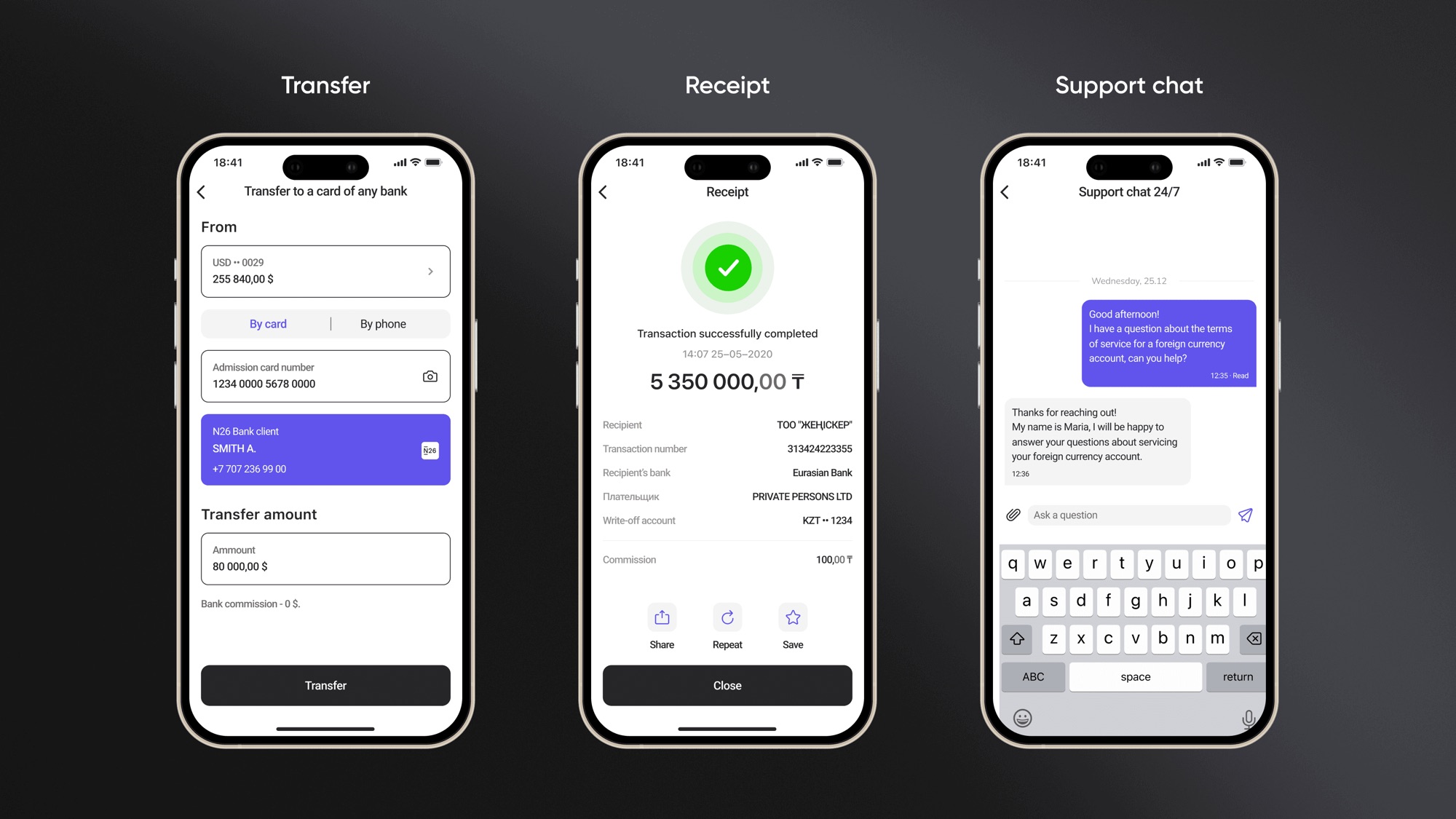
SUS gains come from system, not screens
A 26-point lift doesn't come from polishing screens. It comes from giving an app a shared spine — consistent components, language and patterns — so users learn the system once instead of relearning it on every flow.
SME banking UX is mostly a systems problem disguised as a screens problem. The visual redesign took the credit at launch; the system underneath did the work.
Want to discuss this project?