Davr Bank:
five ways to send money,
rebuilt into one
One of Uzbekistan's largest private banks, carrying one of the segment's lowest App Store ratings. I rebuilt navigation from user mental models instead of the org chart — in one quarter, with no new APIs.
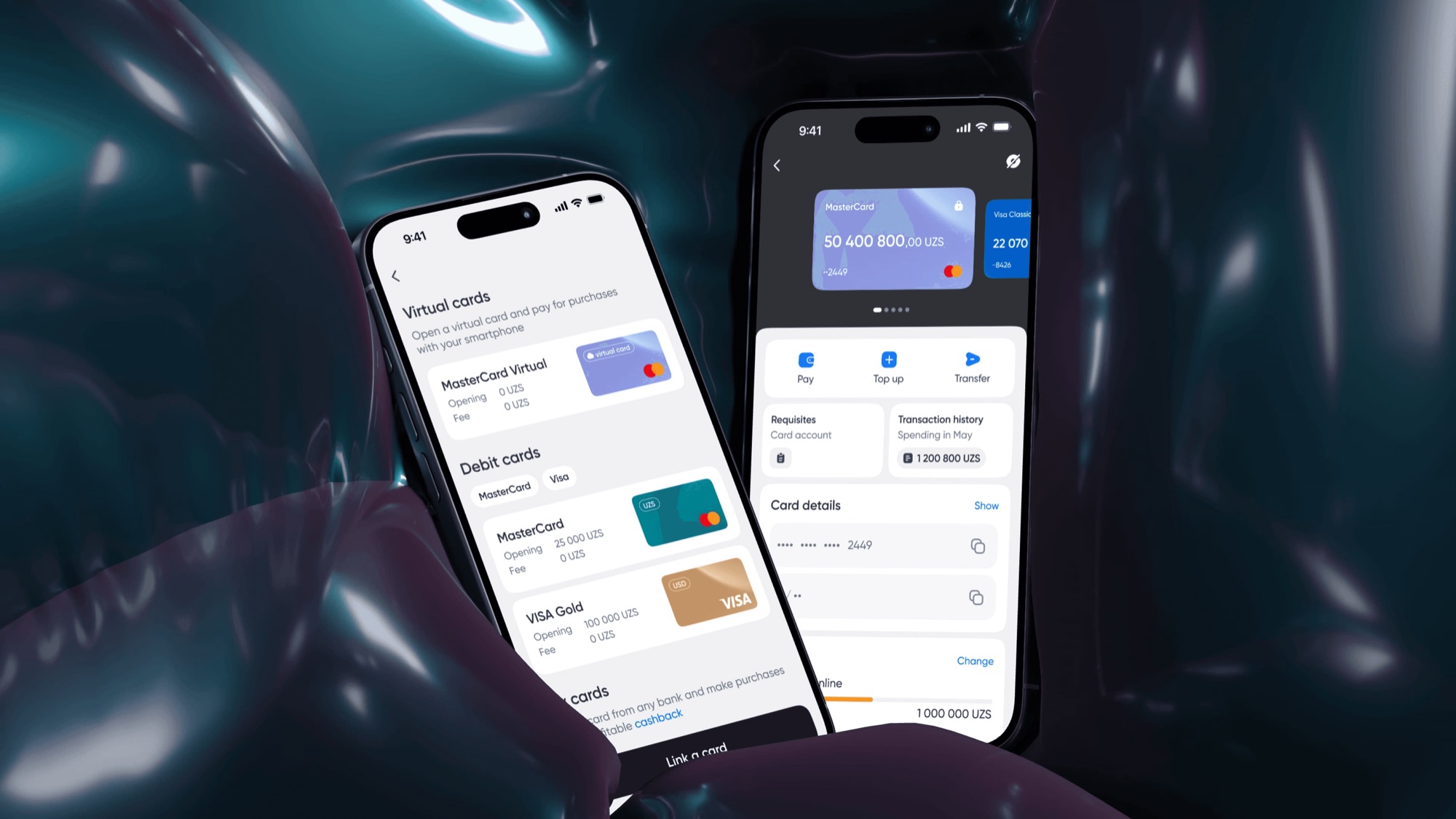
Take the org chart out of the navigation
Interviews and observed sessions showed people think in tasks — send money to mom, pay rent, see what I spent this month — not in the product categories the bank is structured around. The redesign started there, and the visual layer came last on purpose: with feature parity required, no new APIs and a single quarter to ship, the lift had to come from structure or not at all.
Organised by intent, not by owner
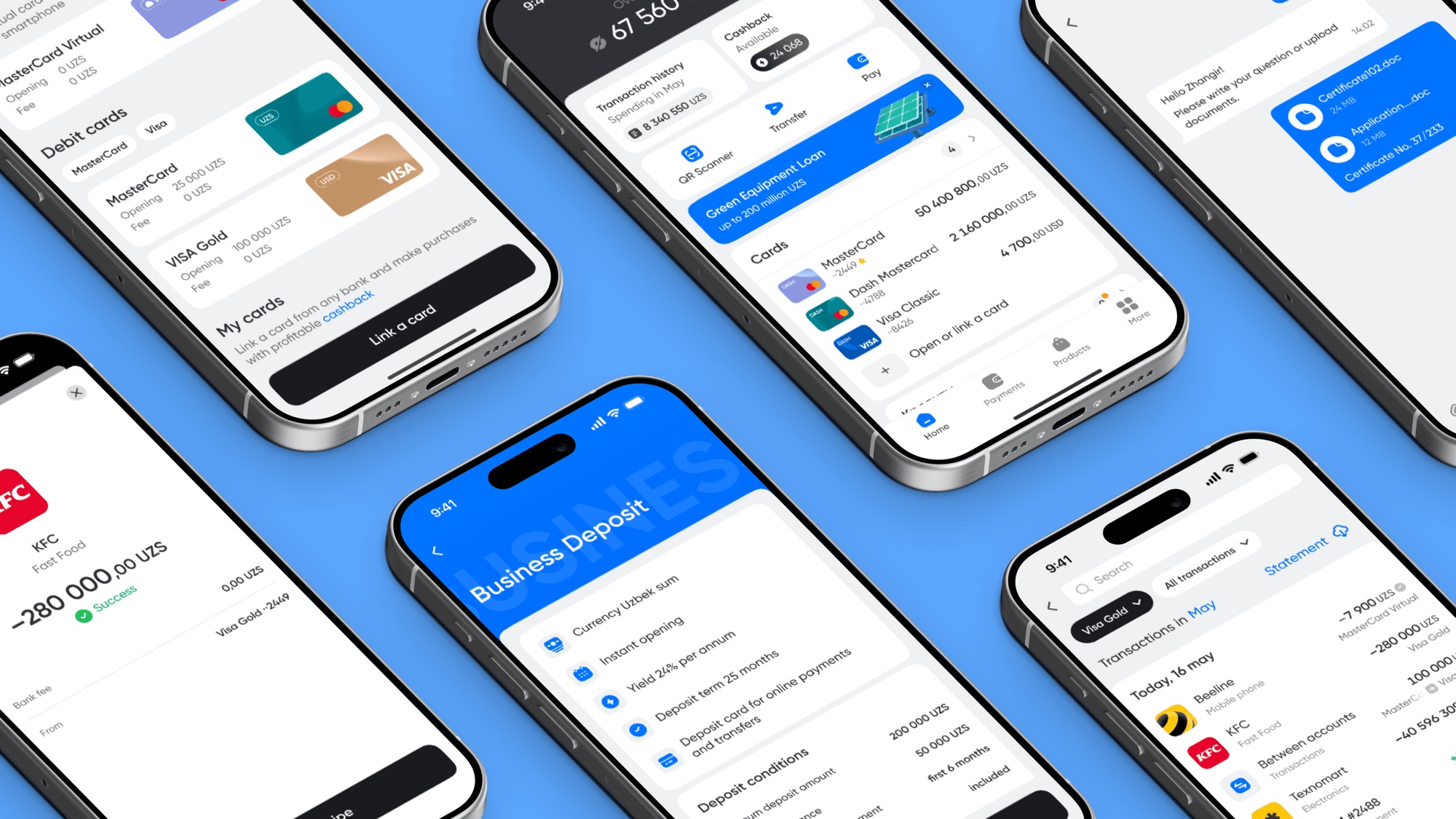
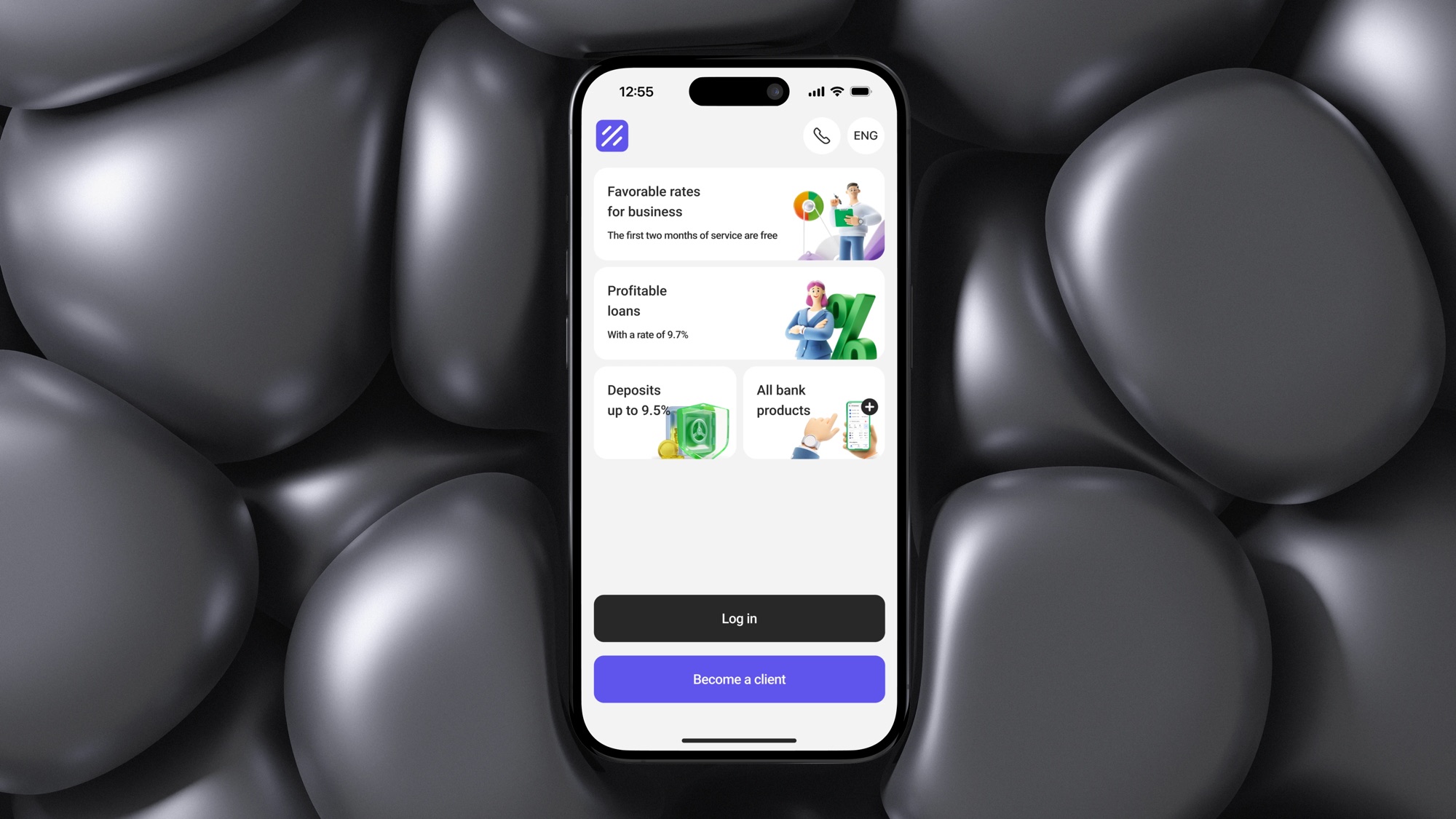
The legacy IA mirrored the bank's org chart. Primary navigation was rebuilt around the four flows people actually use, so one task lives in one place.
+31% flow completionSix steps collapsed into three
Recipient, amount and confirmation were separate screens because the backend treated them separately. Users don't think that way, so they became one guided sequence.
The most-used flow, halvedDeferred everything not needed yet
Non-critical steps moved to the moment they are actually required, so a new user meets a first transaction instead of a queue of forms.
First transaction in under 90 secondsVisual layer last, on purpose
A visual refresh would have shipped easily inside the constraints and moved nothing. Typography, spacing and component states were cleaned up only once the IA was settled.
+24% daily active users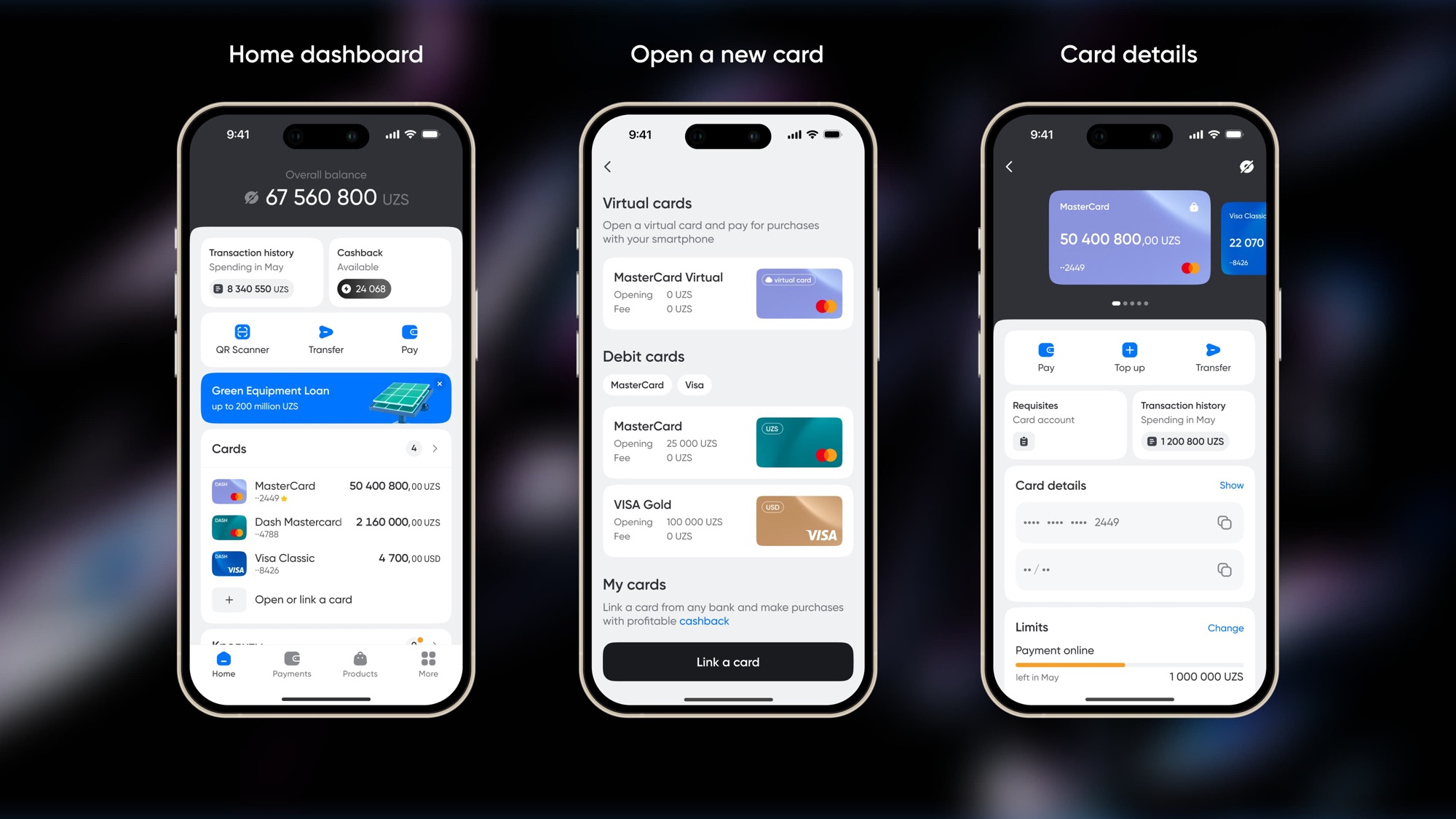
Rated below 4.0 — and it wasn't the features
Davr Bank had one of the largest mobile banking user bases in Uzbekistan and one of the lowest App Store ratings in the segment. The app worked, technically: people could transfer money, pay bills and manage cards. They frequently couldn't work out how.
The brief was to lift completion and daily actives without touching the backend — feature parity with the existing app, no new APIs, one quarter to ship.
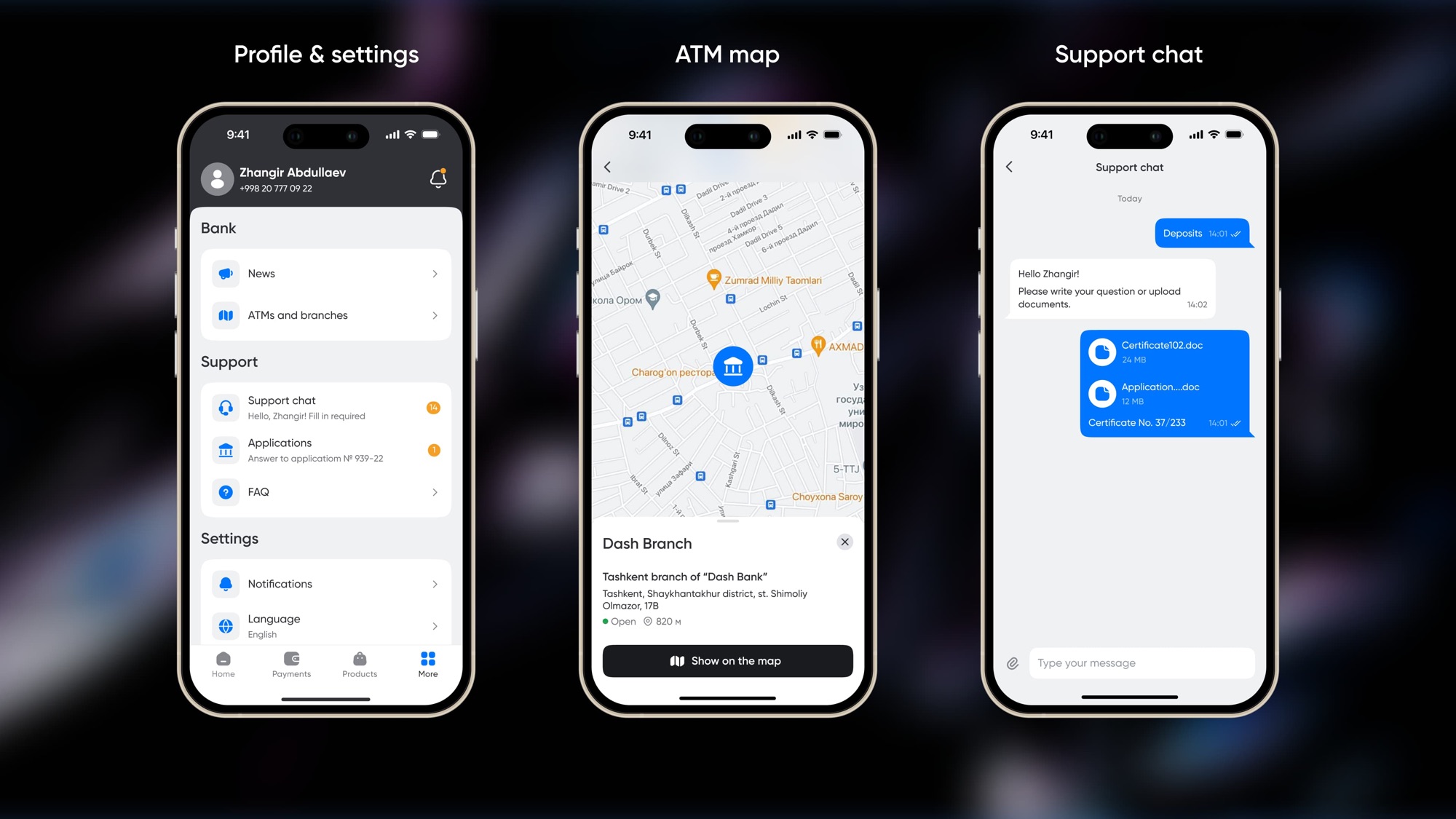
Numbers shifted across all measured surfaces
- +31% flow completion — transfers and payments combined
- +24% daily active users in the three months post-launch
- 4.5 App Store rating, up from a sub-4.0 baseline
- Reduced support volume on navigation-related issues
“Working with Nikita on a redesign of a mobile banking application was both rewarding and insightful. [...] He is attentive to feedback, eager to learn from his mistakes, and demonstrates a strong grasp of the team's objectives.”
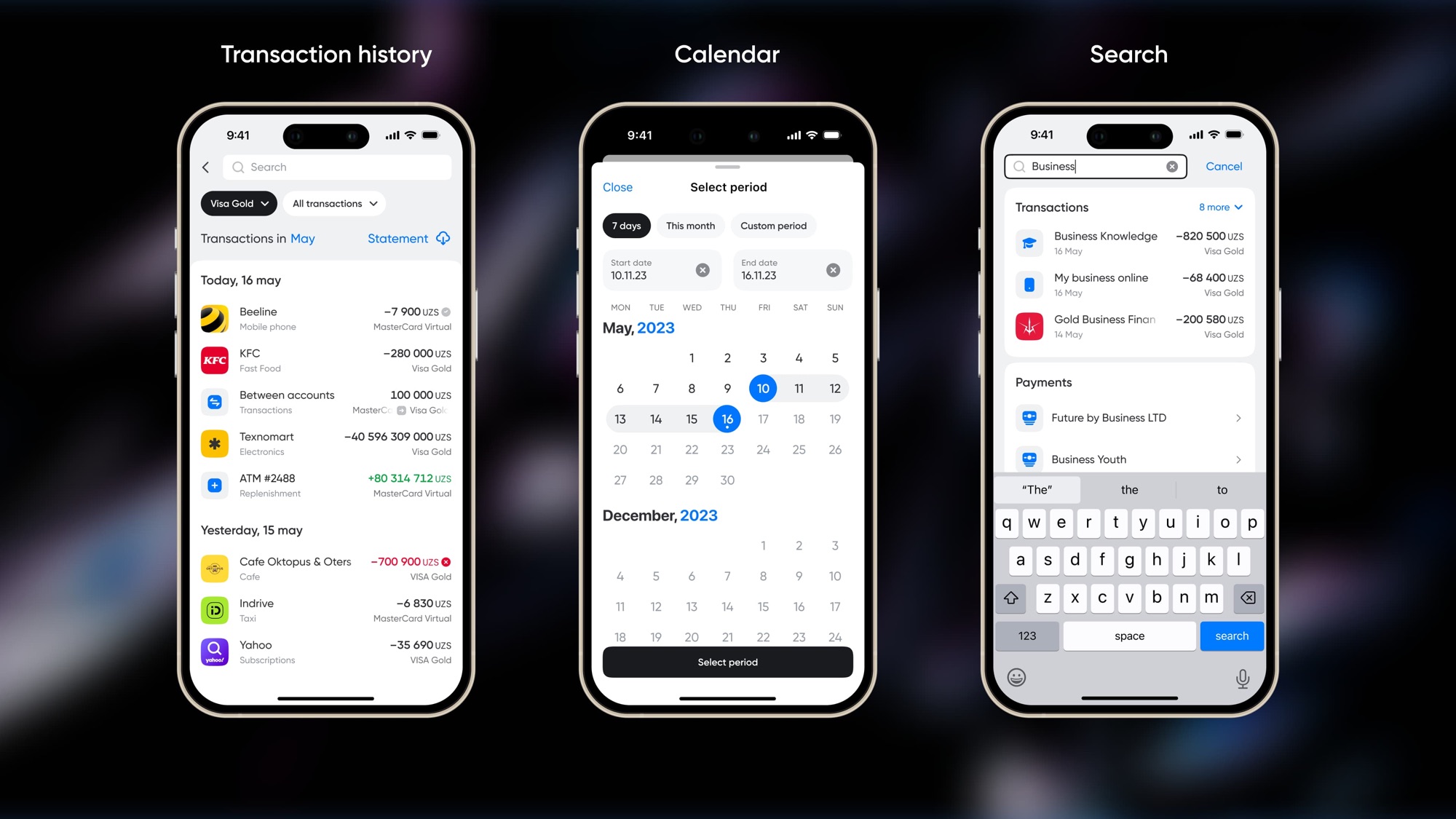
Bank redesign is mostly an IA problem
Most bank app redesigns are sold as visual refreshes: they look better, behave the same, and the metrics don't move. This was the opposite case. The visual layer did change, but the lift came from rebuilding the information architecture around user intent.
+31% flow completion is what happens when navigation matches the way people already think about their money. Visual polish without IA work is a paint job on a broken floor plan.
Want to discuss this project?